Find Wall Mounted Shower Storage Rack for Bathroom, Hotel, and Home
Explore 30 wall mounted shower storage rack options to compare materials, dimensions, and load capacities. This selection supports buyers sourcing durable solutions for residential and commercial bathroom environments. You can review specifications like heavy-duty ratings, installation methods, and customizable packaging to ensure the right fit for your specific project needs and budget constraints.
Key considerations
Products List


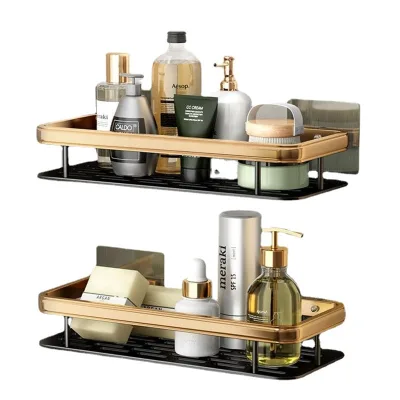
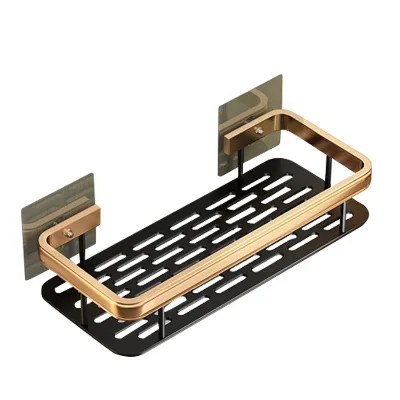


Comprehensive Sourcing Guide
Wall Mounted Shower Storage Rack Sourcing Guide
Procuring wall-mounted shower storage racks requires a disciplined approach to verifying product attributes against actual manufacturing capabilities. Buyers must distinguish between generic storage solutions and specialized bathroom fixtures designed for high-humidity environments. The core challenge lies in aligning supplier capabilities with specific retail or commercial requirements, ensuring that the final product meets both aesthetic and functional standards. This guide outlines the critical verification steps necessary to mitigate supply chain risks and ensure consistent quality across production runs.
Understanding the specific material composition and structural integrity is paramount before finalizing any purchase agreement. Suppliers often list multiple material options, such as plastic or stainless steel, which significantly impact durability and cost. Buyers should request detailed technical data sheets that specify load-bearing capacities and corrosion resistance properties. By focusing on these fundamental aspects, procurement teams can avoid common pitfalls associated with mismatched product specifications and ensure that the selected racks perform reliably in demanding bathroom settings.
Product Scope and Observed Listing Signals
The observed market data indicates a diverse range of product configurations, primarily categorized as storage holders and racks. Listings frequently highlight multifunctional designs suitable for general sundries storage, with shapes ranging from square to multi-tier structures. These products are often marketed with European style aesthetics, appealing to buyers seeking modern, clean lines for residential or hotel bathrooms. The scope includes both freestanding and wall-mounted options, though the focus here remains on wall-mounted units that maximize vertical space without occupying floor area.
Key listing signals reveal that customization is a significant differentiator in this category. Many suppliers offer customizable packaging, including options for color boxes or leather boxes, which can enhance brand presentation for retail partners. The observed price range spans from low-cost plastic units to higher-value metal racks, reflecting the variance in material quality and complexity. Buyers should note that while some listings specify exact dimensions, others offer customizable standards, requiring clear communication of size requirements. This variability necessitates a thorough review of each supplier's capability to meet specific dimensional and aesthetic demands.
Technical Specifications to Verify
Verifying technical specifications begins with confirming the exact dimensions and load capacity of the rack. For instance, specific models may have standardized dimensions such as 40.717.517cm, while others offer customizable sizes. Buyers must ensure that the stated dimensions align with their installation space and intended use. Load capacity is another critical metric; some racks are rated for heavy-duty use, supporting more than 10kg or even over 20kg, which is essential for storing heavier items like towels or toiletries. Accurate load ratings prevent structural failures and ensure user safety.
Material composition and manufacturing techniques also require detailed verification. Listings indicate materials such as plastic, stainless steel, and metal, each with distinct properties regarding durability and maintenance. The manufacturing process, whether injection molding or hand weaving, affects the product's finish and longevity. Buyers should request samples to assess surface quality, edge finishing, and overall build integrity. Additionally, verifying the installation method is crucial; wall-mounted racks require specific mounting hardware and compatibility with different wall types, such as tile or drywall. Ensuring that the supplier provides appropriate installation instructions and hardware is vital for a seamless deployment.
Compliance and Safety Documentation
Ensuring compliance with safety standards is a non-negotiable aspect of sourcing bathroom fixtures. While specific certification names are not always listed in product data, buyers must request documentation proving that the materials meet relevant safety regulations for consumer products. This includes verifying that the materials are non-toxic and free from harmful chemicals, particularly for plastic components. Suppliers should be able to provide test reports or compliance certificates that validate the safety of the product for use in residential and commercial settings.
Corrosion resistance is a key safety and durability factor for shower storage racks, especially those made from metal. Buyers should inquire about the specific coatings or treatments applied to stainless steel or metal racks to prevent rust and degradation in high-humidity environments. Documentation regarding the quality of these coatings, such as salt spray test results, can provide evidence of the product's longevity. Additionally, verifying that the installation hardware meets safety standards is essential to prevent accidents. Suppliers should be transparent about the testing methods used to ensure that the racks can withstand the intended load without failure.
Cost Drivers and Commercial Terms
The cost of wall-mounted shower storage racks is primarily driven by material selection and manufacturing complexity. Plastic racks generally offer lower unit costs, making them suitable for high-volume, budget-conscious buyers, while stainless steel and metal racks command higher prices due to material costs and processing requirements. Buyers should analyze the total cost of ownership, including potential maintenance and replacement costs, rather than focusing solely on the initial purchase price. Understanding the cost structure helps in negotiating better terms and identifying opportunities for cost optimization through bulk purchasing or simplified designs.
Commercial terms, including minimum order quantities (MOQ) and payment structures, significantly impact procurement strategy. Observed MOQs range from 2 to 1000 units, allowing flexibility for both small-scale trials and large-scale production runs. Buyers should negotiate payment terms that align with their cash flow and risk tolerance, such as partial payments upon order placement and balance upon shipment. Additionally, clarifying the terms for customization, such as packaging and branding, is essential to avoid unexpected costs. Transparent communication about these terms ensures a smooth transaction and builds a strong foundation for long-term supplier relationships.
Supplier Qualification and Quality Control
Qualifying suppliers involves assessing their manufacturing capabilities, quality control processes, and track record in the industry. Buyers should request detailed information about the supplier's production facilities, including the types of machinery used and the scale of operations. Verifying the supplier's experience in producing similar products can provide insight into their ability to meet specific requirements. Additionally, reviewing customer testimonials or case studies can offer evidence of the supplier's reliability and commitment to quality.
Implementing a robust quality control plan is essential to ensure consistent product quality. Buyers should agree on inspection protocols, such as pre-shipment inspections or third-party audits, to verify that the products meet the agreed-upon specifications. This includes checking for defects in material, workmanship, and packaging. Establishing clear acceptance criteria and penalty clauses for non-conforming goods can incentivize suppliers to maintain high standards. Regular communication and feedback loops between the buyer and supplier are crucial for addressing any issues promptly and ensuring continuous improvement in product quality.
Long-Term Procurement Checks
Establishing a long-term partnership with a supplier requires ongoing monitoring and evaluation of their performance. Buyers should track key performance indicators, such as on-time delivery rates, defect rates, and responsiveness to inquiries. Regular reviews of these metrics help in identifying trends and areas for improvement. Building a collaborative relationship with the supplier, characterized by open communication and mutual trust, can lead to better pricing, priority production slots, and enhanced support for new product developments.
Sustainability and ethical practices are increasingly important considerations in long-term procurement. Buyers should verify that the supplier adheres to environmental regulations and ethical labor practices. This includes assessing the supplier's waste management processes and their commitment to reducing the environmental impact of their operations. Aligning with suppliers who share similar values can enhance brand reputation and meet the growing demand for sustainable products. By integrating these checks into the procurement process, buyers can ensure that their supply chain is not only efficient but also responsible and resilient.
FAQs
What materials are used for wall mounted shower storage racks?
Wall mounted shower storage racks are commonly made from plastic or stainless steel. Some models feature injection molding techniques while others utilize metal construction. These materials ensure durability and resistance to moisture in bathroom environments.
Can I find customizable options for wall mounted shower storage racks?
Yes, customization is available for many wall mounted shower storage racks. Buyers can request specific dimensions, colors like cream white, or tailored packaging solutions. OEM and ODM services are often accepted to meet unique design requirements.
Which shapes are available for wall mounted shower storage racks?
Wall mounted shower storage racks come in various shapes including square and multi-tier designs. Some units are folded while others remain unfolded for immediate use. The shape often depends on the specific application scenario such as balconies or bathrooms.
How much weight can heavy duty wall mounted shower storage racks hold?
Heavy duty wall mounted shower storage racks can support loads exceeding 10kg or even 20kg depending on the model. Some specific units are rated for extra heavy-duty capacity above 20kg. Always verify the load capacity before installation.
What are the standard dimensions for wall mounted shower storage racks?
Standard dimensions vary by model but common sizes include 40.7 by 17.5 by 17cm or 33 by 14.2 by 12.2cm. Some units may have a length of 40cm. Customizable standard sizes are also available to fit specific space constraints.
Where are wall mounted shower storage racks manufactured?
Wall mounted shower storage racks are primarily manufactured in China, specifically in regions like Zhejiang and Chaozhou. These locations are known for producing high-quality plastic and metal storage solutions for global markets with efficient production capabilities.
How are wall mounted shower storage racks packaged for shipping?
Wall mounted shower storage racks are typically packed in cartons or pallets for safe transport. Some premium models come in three-layer color boxes or leather boxes. Packaging can be customized to meet specific buyer requirements and shipping needs.